

Ex Voto
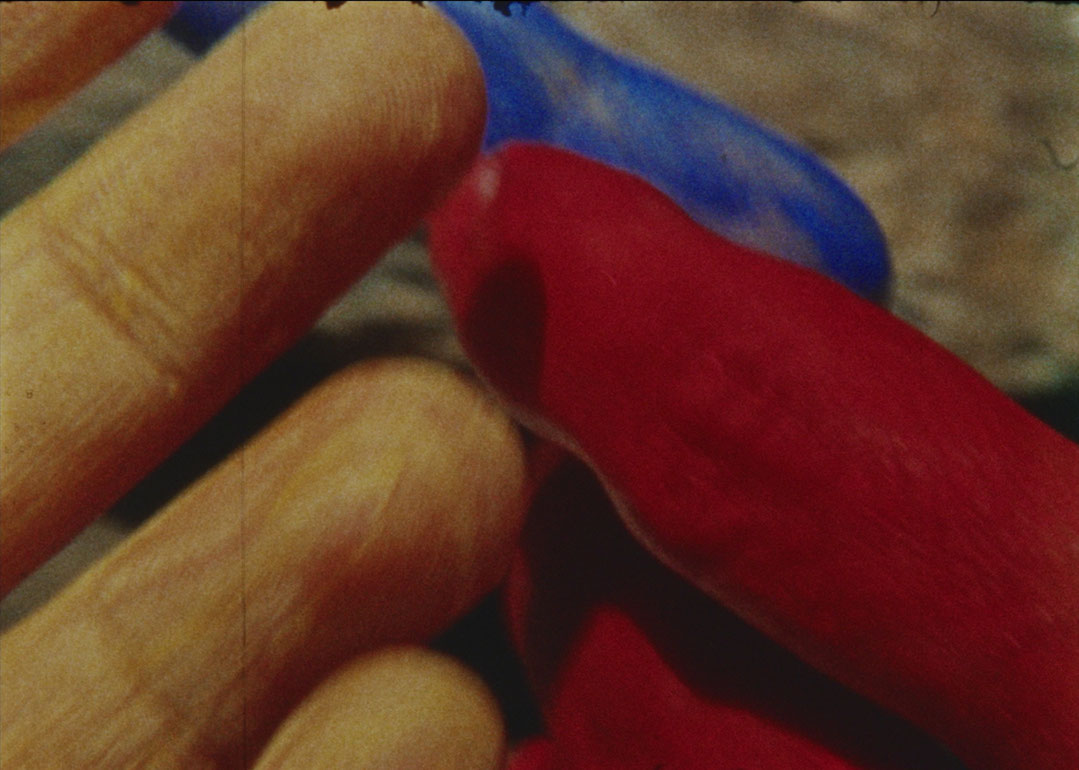
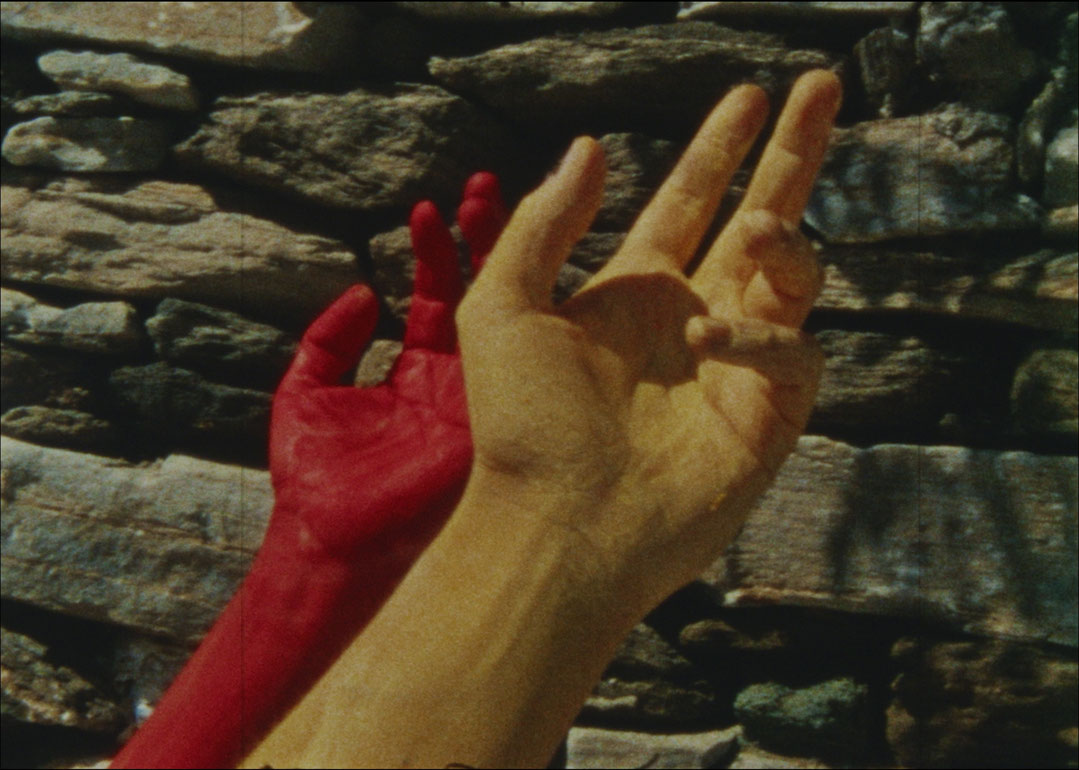
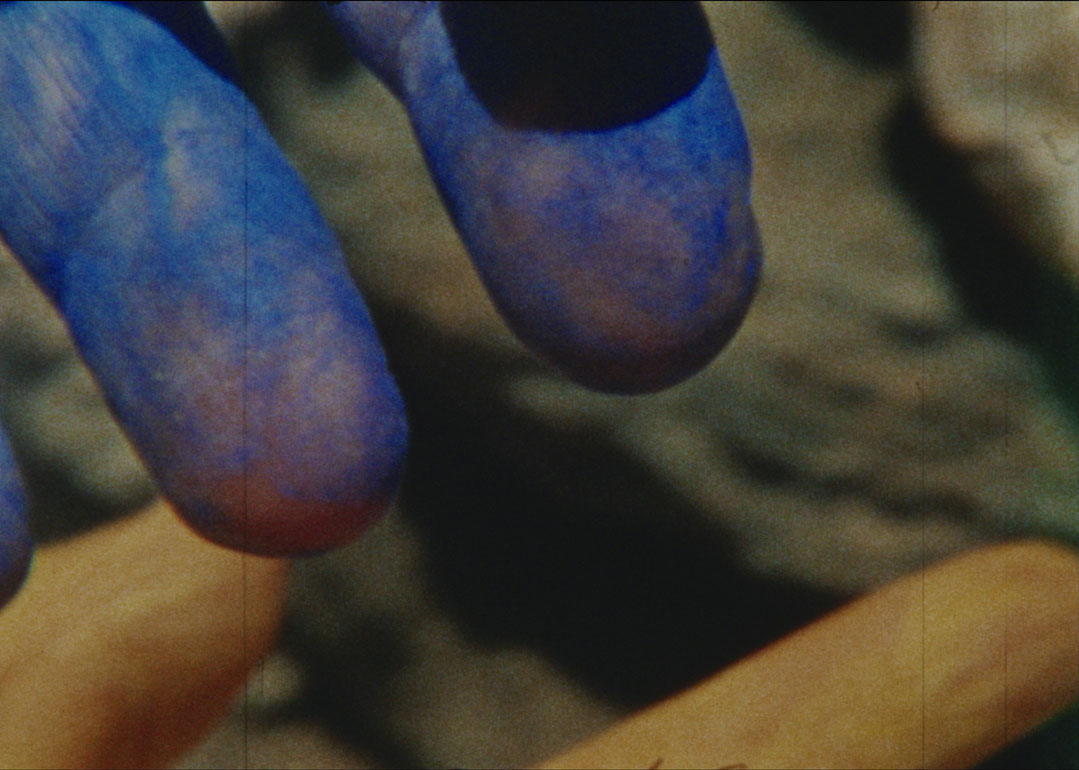
A red-blue-yellow tribute to Ektachrome, a filmstock that was temporarily discontinued by Kodak in 2013, and its red, blue and yellow emulsion layers. Ex Voto means a votive offering, symbolizing the subject of prayer, often in the form of a painted or modeled reproduction of a body part. The film was shot in summer 2013 in Tinos, Greece, as part of a gathering organized by LabA: A Tama for Ektachrome. One roll, cut in camera, hand developed.
Once a vow has been made, one has entered into a solemn and binding promise, which is accompanied by acts intended to reaffirm the oath (time and again). To this end, an ex-voto is offered – a ritualised votive offering, as a tangible sign of gratitude – often long after the prayer has been answered. It is not uncommon for these offerings to take on human forms when the wish has been for healing or a specific restoration. The Greek Orthodox equivalent of the ex-voto is ‘tama’.
When Kodak temporarily ceased production of its Ektachrome film in 2013, the independent Athens-based DIY film laboratory LabA organised a two-week residency entitled ‘A Tama for Ektachrome’ on the island of Tinos – a place steeped in mythology since antiquity. The red, blue and yellow emulsion layers seem to have been lost, and the last rolls are loaded. The prophecy follows: three coloured communion wafers that dissolve in seawater in the palms of the hands. A red, a blue and a yellow coloured solution are each slowly spread over a hand and the forearm and dry on the surface of the skin, which can be interpreted as an emulsion layer. This is followed by fragmented shots of the painted limbs. Arms and hands overlap, fingers interlock, and the images accelerate progressively – at times so intensely that one seems to perceive additive colour mixing. Finally, the film – cut in the camera and developed by hand – ends with a reference to the context of its production. In 2018, the promise is fulfilled and Kodak reintroduces Ektachrome film. (Stefanie Reisinger)
Ex Voto
2013
Greece
3 min