

Blut in der Spur
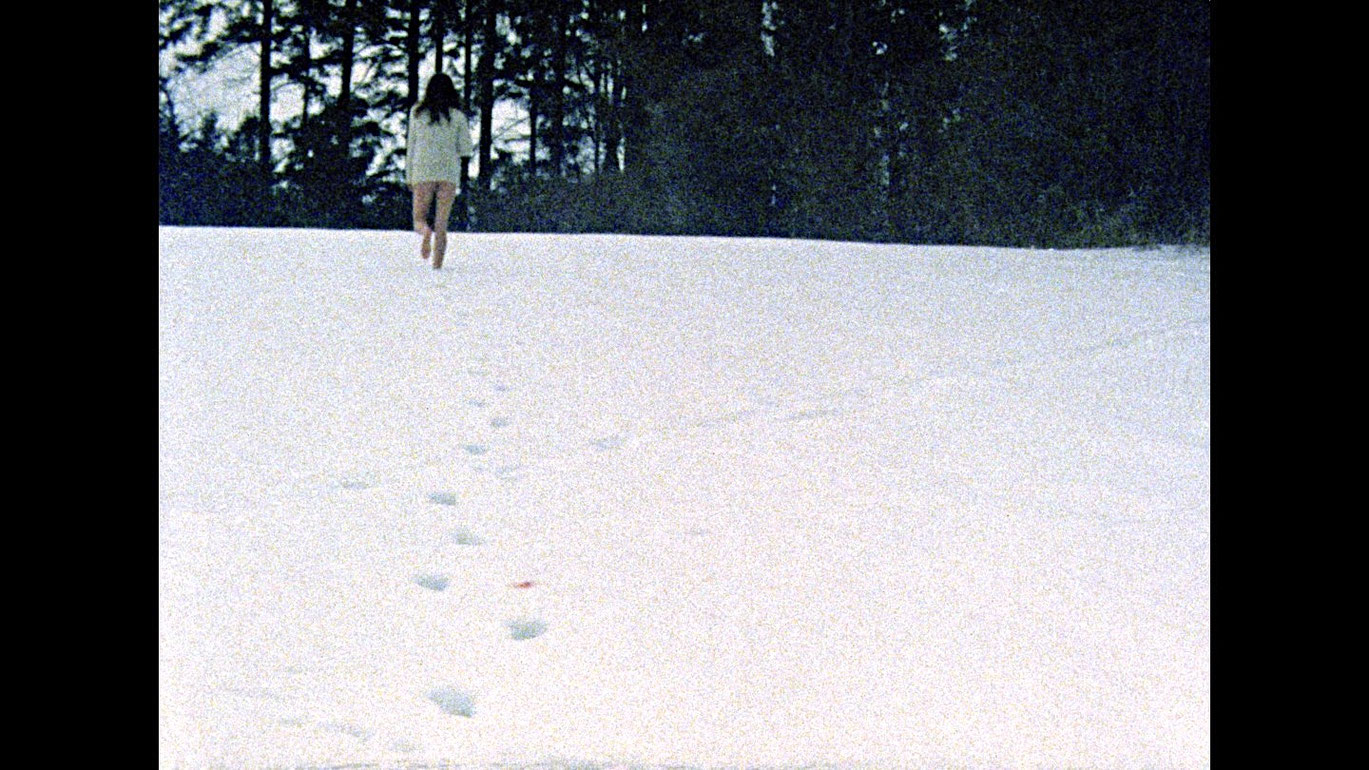
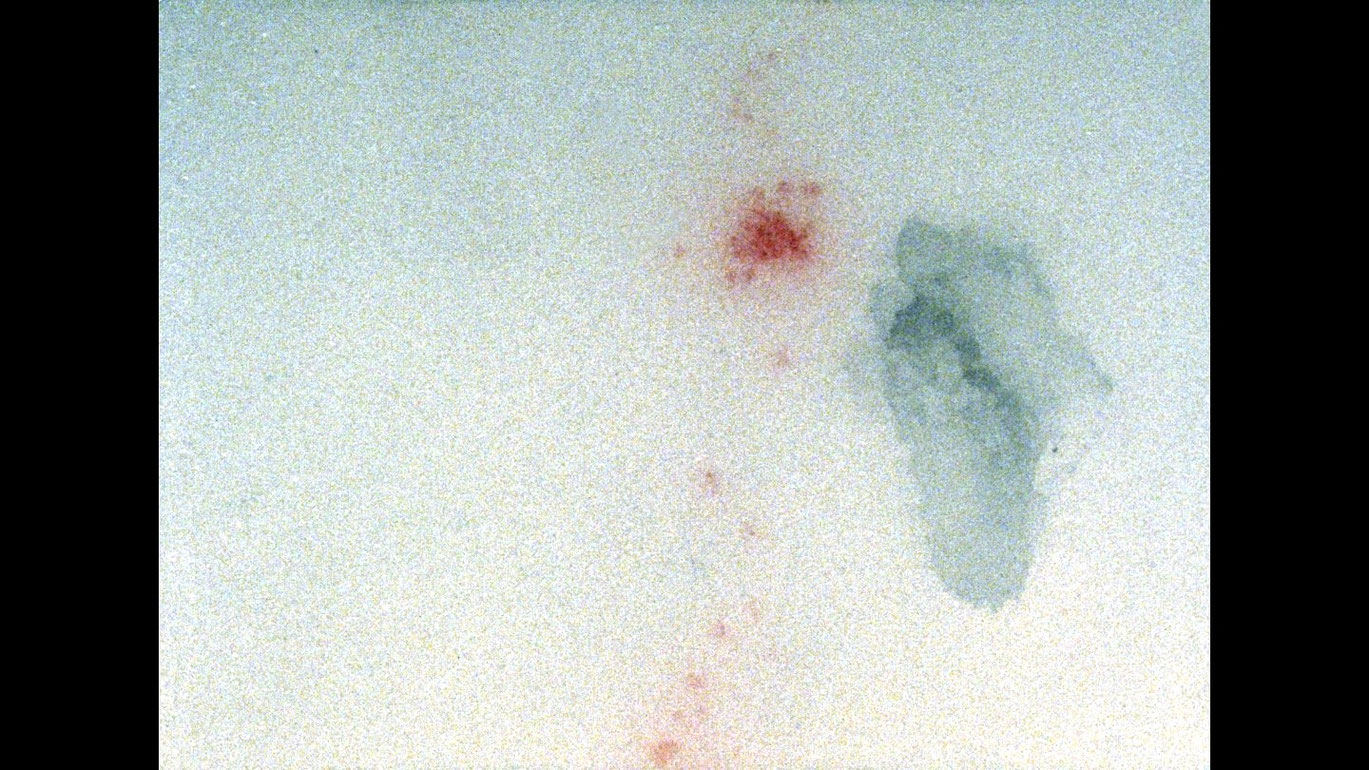
Blut in der Spur is a key missing link in the history of the feminist avant-garde of the 1970s. It is a rare example of a film-work focussing on menstruation, and contributes to the canon of 1970s menstrual art. It explores a woman’s feverish dream about menstruation. Lying in bed, she dreams of walking barefoot on pristine snow towards a forest. Drops and traces of blood accompany her footprints. Bady Minck and Angela Summereder’s film weaves a complex generic palimpsest to demonstrate and investigate the deep embeddedness of women’s oppression across different national, historical, and cultural tropes. It refers insistently to Germanophone and specifically Austrian cultural traditions and symbols, and to genres ranging from fairy tales to detective fictions. The snows that smother historical realities and conceal Austria’s past, the silencing of female voices, and the prurient rendering-invisible of women’s biological realities – all are tracked and pursued as the camera tracks the footprints and trails of blood, exposing the whitewashing of histories tainted by violence. (Patricia Allmer, Professor of Modern and Contemporary Art History, University of Edinburgh)
Blut in der Spur
1979
Austria
4 min